Park Overview
Serengeti National Park was established in 1951 and designated a UNESCO World Heritage Site in 1981. It sits in northern Tanzania, sharing its northern border with Kenya's Masai Mara — together they form one continuous ecosystem of approximately 30,000 km². The name "Serengeti" derives from the Maasai word siringet — endless plain — and the landscape justifies it: vast grassland horizons, isolated granite outcrops (kopjes), acacia woodland, and seasonal rivers that cut through the park.
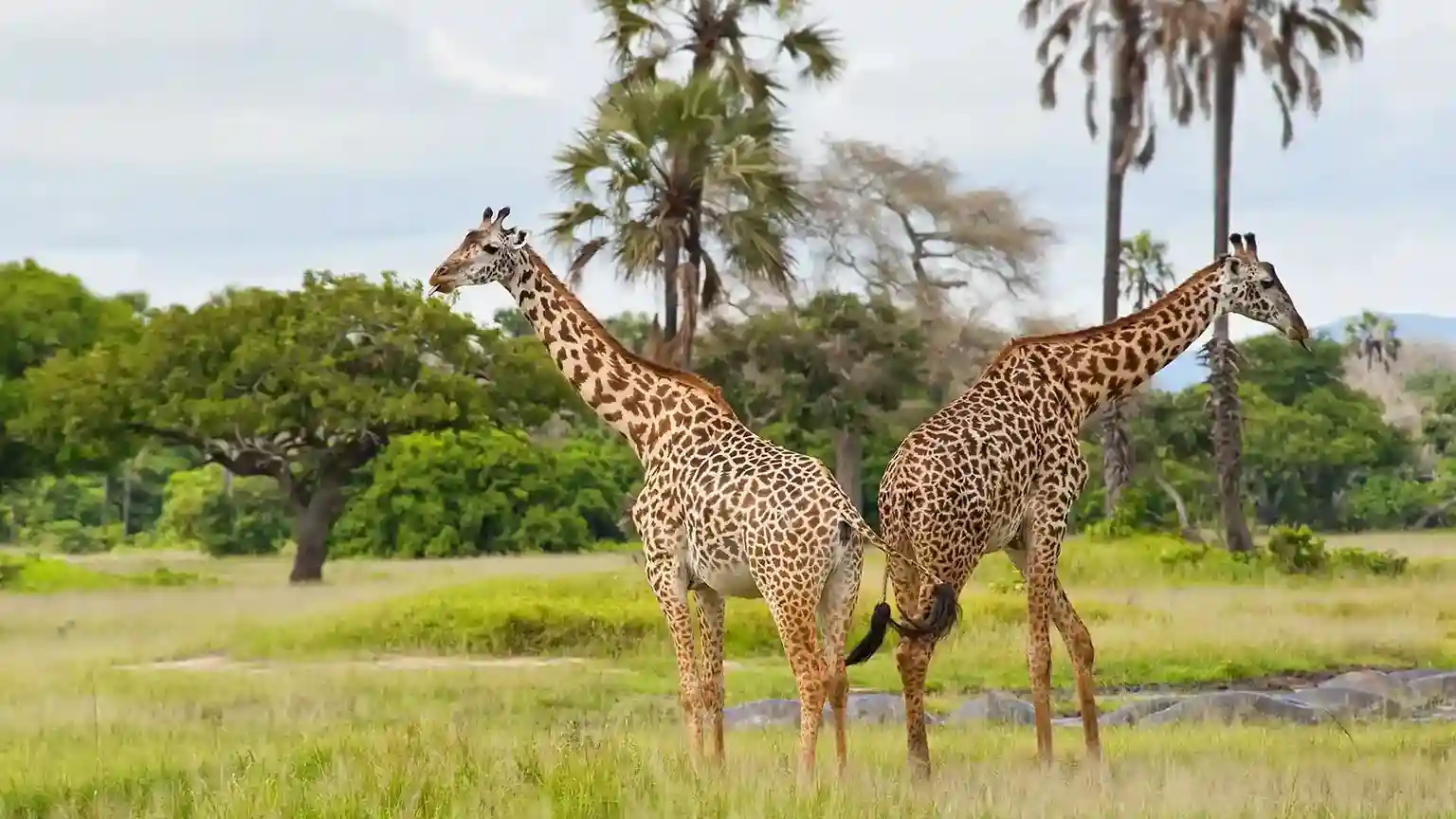
The Serengeti supports the highest concentration of large mammals in Africa. Resident populations include lion (approximately 3,000 individuals), leopard, cheetah, elephant, buffalo, black and white rhino (small population in Ngorongoro adjacent area), giraffe, zebra, wildebeest (1.5 million+), and over 500 bird species.
The Five Park Zones
Central Serengeti (Seronera)
The year-round hub of the park. Seronera is the most visited area — permanent water sources support resident lion prides, leopards, and large elephant herds throughout the year. The Seronera River Valley is the best single area for reliable predator sightings. Most mid-range and comfort-tier lodges are concentrated here.
Northern Serengeti (Lamai, Kogatende)
Home to the Mara River and the famous wildebeest crossings (July–September). The northern zone is the most remote area of the park — fewer vehicles, lower density visitors, and the most dramatic wildlife event in Africa when the crossings are active. Access requires longer drives but the experience is significantly quieter than the central zone.
Southern Serengeti and Ndutu
Calving season (January–February) happens in the short-grass plains of the south. The concentration of newborn wildebeest attracts an extraordinary density of predators — cheetah, lion, hyena, and wild dog. The Ndutu area (just outside the park boundary in the Ngorongoro Conservation Area) is the best area for calving season wildlife.
Western Corridor
The Grumeti River cuts through the western corridor, supporting another set of river crossings — typically May–July, before the northern crossings begin. Less visited than the northern zone. Known for large hippo pods and Grumeti crocodiles. Difficult to access in wet season.
Eastern Serengeti
The quietest and least-visited zone. Kopje-studded landscape with good lion and cheetah sightings. Rarely included in standard safari itineraries but excellent for those seeking isolation.
Wildlife Calendar
| Month | Rating | Conditions |
|---|---|---|
| January–February | Excellent | Calving season in southern Serengeti. Predator density peak. |
| March–April | Good | Wildebeest moving north. Long rains begin late April. Green and lush. |
| May | Fair | Long rains. Some tracks impassable in south. Quiet period. |
| June | Good | Rains ending. Herds in western corridor. Grumeti crossings begin. |
| July–August | Excellent | Northern Serengeti and Mara River crossings. Peak season. |
| September | Excellent | Crossings continuing. Dry and clear. Excellent game viewing. |
| October | Good | Herds moving south. Transition period. Fewer visitors. |
| November | Fair | Short rains. Some disruption but manageable. Quieter. |
| December | Good | Herds arriving in south. Short rains ending. Good value. |
For the full migration circuit month-by-month — including where to position your camp for maximum crossing probability — see our Great Migration guide. For the best time to visit the Serengeti specifically, see our seasonal guide.
Serengeti and Ngorongoro Together
The Serengeti and Ngorongoro Crater are natural complements, lying 2–3 hours apart by road. The Serengeti provides the open-plain game drive experience on a vast scale; the Ngorongoro provides the highest wildlife concentration per square kilometre anywhere in Africa within a closed caldera system. Our 13-Day Tanzania Adventure covers both in Days 6–8. See our Ngorongoro Crater guide for the full detail.
Getting There
The Serengeti is reached from Arusha (approximately 4–5 hours by 4×4 via Ngorongoro Highlands) or from Moshi (5–7 hours, also via Ngorongoro). Domestic charter flights from Arusha or Kilimanjaro Airport to Serengeti airstrips (Seronera, Kogatende, Grumeti) are available — flight time approximately 45–75 minutes. We use road transfer for the first safari day of our combined package, as the drive through the Ngorongoro Highlands is itself a significant part of the experience.
FAQ — Serengeti National Park
Our 13-Day Tanzania Adventure includes 2 nights in the Serengeti and a full day in the Ngorongoro Crater. Free quote from our Moshi team within 2 hours.