Serengeti Lion Population
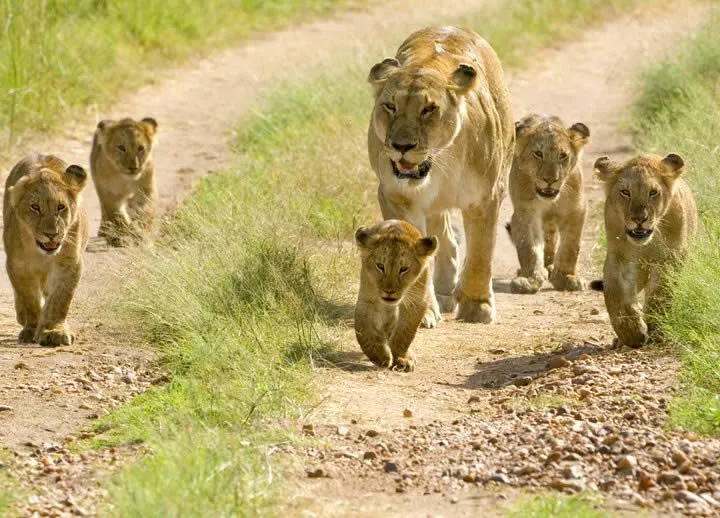
The Serengeti ecosystem holds approximately 3,000 African lions (Panthera leo) — roughly 40% of Tanzania's total lion population and the largest single-ecosystem lion population in the world. Lions are organised into resident prides of 3–30 individuals, with pride territories of 20–400 km² depending on prey availability. Male coalitions (typically 2–4 brothers) hold territories within and between prides, mating with resident females.
Unlike cheetah (which are largely solitary except for mother-cub groups) or leopard (strictly solitary), lions are highly social and rest in open, visible locations throughout the day. This makes them the most reliably spotted large predator on a Serengeti safari — finding lions requires good guide knowledge of pride territories, not exceptional luck.
Where to Find Lions in the Serengeti
| Zone | Lion Sighting Rating | Notes |
|---|---|---|
| Central (Seronera Valley) | ★★★★★ | Highest lion density. Resident prides. Most reliable for guaranteed sightings. |
| Southern (Ndutu area) | ★★★★★ (Jan–Mar) | Calving season brings lions south following wildebeest. Extraordinary density Jan–Feb. |
| Northern (Kogatende) | ★★★★☆ | Good year-round; outstanding Jul–Sep when wildebeest crossings attract predators. |
| Western Corridor | ★★★☆☆ | Lions present but less concentrated than central zone. |
| Eastern (less visited) | ★★★☆☆ | Good lion populations but fewer guide sightings reported. |
Lion Behaviour to Look For
| Behaviour | What It Looks Like | Time of Day |
|---|---|---|
| Resting | Sprawled in grass or on a kopje (granite rock). Often 16–20 hours per day. | All day, peak midday |
| Hunting preparation | Crouching, stalking, spread across a wide area. Very slow movement. | Dawn, dusk, night |
| Active hunt | Explosive sprint. Typically over in under 60 seconds. | Dawn, dusk, night |
| Feeding | Lions feeding on a kill — usually noisy, competitive, and hierarchical. | Post-hunt — any time |
| Cubs | Young lions (under 1 year) playing near the pride. | Morning |
| Roaring | Males roaring at territorial boundaries. | Dawn and dusk |
The most important safari tip for lion sightings: When you find lions that are alert and watching (not sleeping), stay. Something is about to happen. Hunting behaviour can develop over 30–60 minutes — the temptation to move on is always a mistake when lions are behaviorally active.
Lion Photography
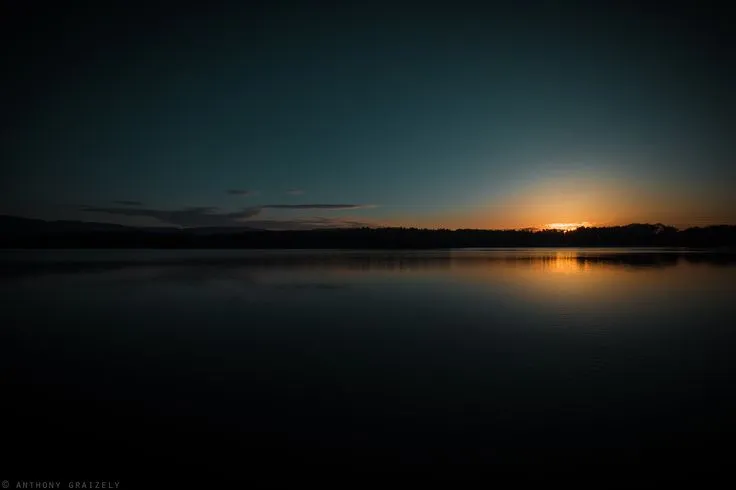
The Serengeti's open plains make lion photography significantly more achievable than in forest environments. The main challenge is light — shooting at midday produces flat, harsh images. Dawn and dusk produce the warm sidelight that transforms wildlife photography. Request early morning game drives and stay in the field at sunset even if the light seems faded — the last 20 minutes before darkness often produce the best images of the day.
FAQ
Our Serengeti game drives are guided by licensed guide-drivers with knowledge of current pride territories. Free quote for a northern circuit safari.