What Fitness Level Does Kilimanjaro Require?
Kilimanjaro is not a race. The guides set a deliberately slow pace — pole pole (slowly slowly in Swahili) — because the biggest threat to summit success is not physical fitness but altitude sickness, which is worsened by ascending too quickly. That said, the physical demands of 5–9 consecutive days of hiking at altitude are real and should not be underestimated.
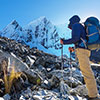
A useful benchmark: if you can complete a full day of hiking (5–7 hours, 15–20km, with a 10–12kg pack) and feel tired but not destroyed afterward, your base fitness is adequate. If a day like that would be genuinely challenging, you have training to do.
12-Week Training Plan
This plan assumes you are starting from a moderate fitness base — you exercise 2–3 times per week already. If you are starting from very low fitness, begin this plan 16–20 weeks before departure.
| Week | Cardio Sessions | Long Hike | Notes |
|---|---|---|---|
| 1–2 | 3× 30 min easy run/bike | 4 hrs, flat, no pack | Establish baseline. Do not skip rest days. |
| 3–4 | 3× 35 min moderate | 4 hrs, some incline, 5kg pack | Introduce elevation gain where possible. |
| 5–6 | 4× 40 min, one interval session | 5 hrs, 300–400m gain, 8kg pack | Add one harder cardio session per week. |
| 7–8 | 4× 45 min, one long run | 5–6 hrs, 500m+ gain, 10kg pack | The long hike is the most important session. |
| 9–10 | 4× 45–50 min | 6 hrs, 600–800m gain, 10–12kg pack | This should feel hard but manageable. |
| 11 | 4× 45 min — no new intensity | 4 hrs easy — taper begins | Start reducing volume. Maintain frequency. |
| 12 | 3× 30 min easy | 2 hr easy walk — final pre-departure week | Rest. Your fitness is locked in. Travel. |
| Departure | — | — | Arrive in Moshi 1 day early. Good sleep. No alcohol. |
Cardio Training Specifics
Running
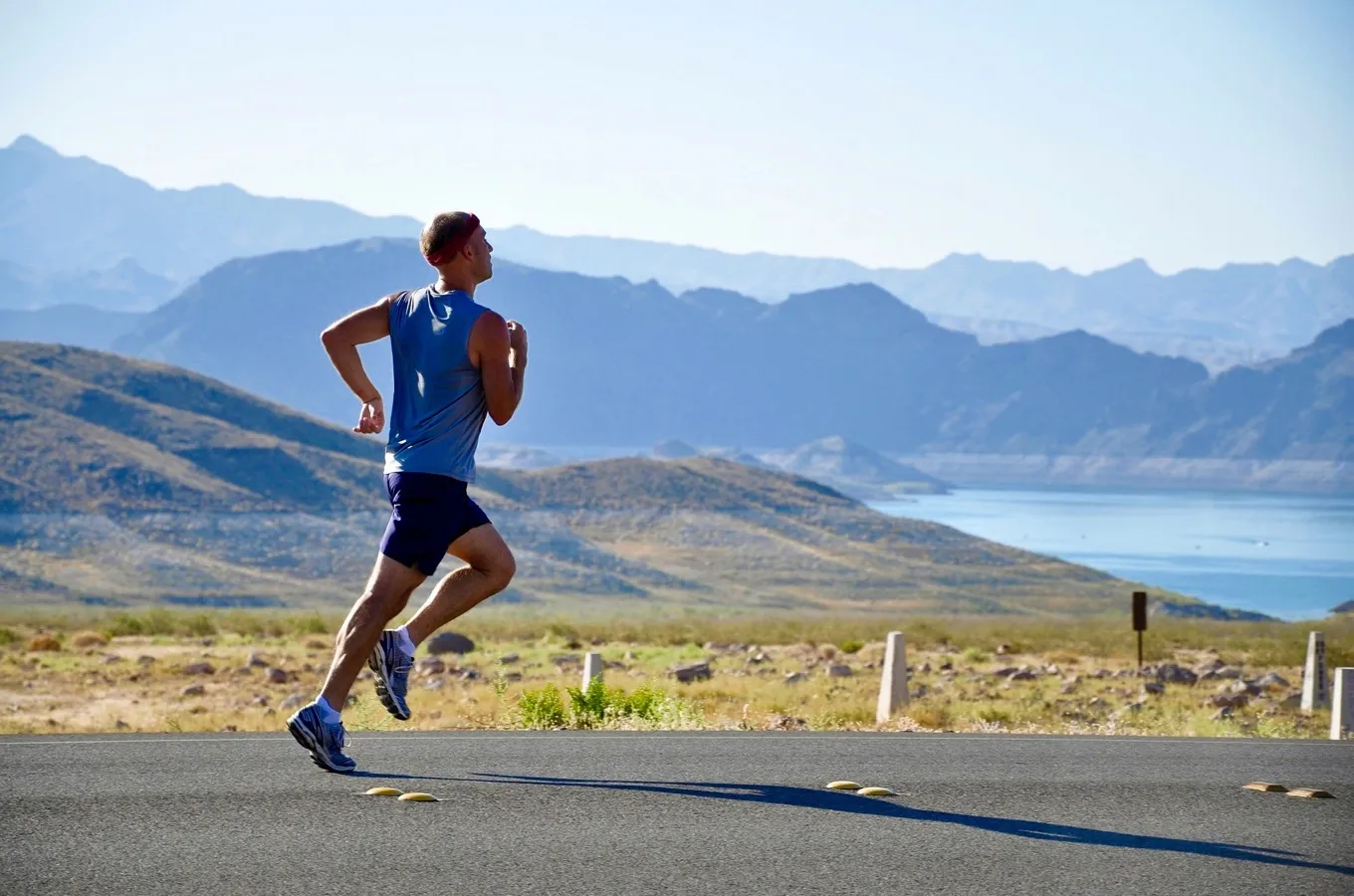
The most efficient cardio preparation for Kilimanjaro. Builds the cardiovascular base needed for sustained uphill effort. Train at a conversational pace for most sessions — the "hard" session each week (from Week 5) should include intervals: 6–8 × 3 minutes at 80–85% effort with 2 minutes easy recovery between.
Cycling
A good alternative or complement to running, particularly if you have knee or joint concerns from high-impact training. Stationary cycling with resistance is effective. Aim for sessions of at least 45 minutes to build the aerobic base.
Stair Climbing
Stair climbing directly simulates the sustained uphill gradient of Kilimanjaro's lower slopes. If you have access to a tall building or stadium stairs, incorporate weekly sessions of 30–45 minutes of continuous stair climbing. This is one of the most specific training tools available at sea level.
Weighted Day Hikes
The most important training sessions in this plan. Day hikes with a loaded pack train the specific muscle groups used on Kilimanjaro, build foot and ankle resilience, and allow you to identify any gear issues (hot spots, chafing, footwear problems) before the mountain.
| Hike Parameter | Target by Departure |
|---|---|
| Duration | 5–7 hours continuously hiking |
| Pack weight | 10–12kg (simulating porter bag limit + day pack) |
| Elevation gain | 500m+ per session where available |
| Frequency | Minimum 2 full-day hikes in the 8 weeks before departure |
| Terrain | Varied surface. Rocky, uneven ground is better than flat paths. |
Break in your boots on these hikes — never attempt Kilimanjaro in boots that have not been thoroughly broken in. Blisters are a summit threat. See our Kilimanjaro packing list for full gear recommendations.
Training for Altitude
The honest answer: there is no reliable way to train for altitude at sea level. Your body's adaptation to low-oxygen environments requires actual exposure to low-oxygen environments. What you can do:
| Option | Effectiveness | Notes |
|---|---|---|
| Altitude tent / mask | Moderate | Home altitude tents work but are expensive. Altitude training masks (which restrict airflow, not oxygen) do not work as advertised. |
| Pre-trip altitude exposure | High | If you can spend 2–3 days above 2,500m (a ski resort, highland area) in the month before your climb, this is the most effective preparation. |
| Aerobic base building | High | A strong aerobic base gives you more physiological reserve when altitude hits. You cannot prevent altitude sickness but you can have more capacity to cope with it. |
| Hydration habits | High | Practice hydrating consistently (3–4 litres per day) during training. This habit matters enormously on the mountain. |
For the full altitude sickness protocol — symptoms, prevention, and our guide monitoring procedures — see our altitude sickness guide.
What NOT To Do
| Mistake | Why It Matters |
|---|---|
| Starting training 4 weeks before departure | Insufficient time to build aerobic base. 3 months minimum. |
| Doing no weighted hikes | Your legs will not be prepared for the specific demands of loaded uphill hiking. |
| Buying new boots just before departure | Blisters from unbroken boots cause more turnarounds than altitude sickness. Break them in. |
| Running a marathon or intense race in the 3 weeks before | Arriving fatigued undermines everything. Taper for the final 2 weeks. |
| Skipping the acclimatization rest day on Horombo | The Day 3 rest day on Marangu is not optional — it is the acclimatization mechanism for the 5-day route. |
FAQ — Kilimanjaro Training
Once your training is underway, the next step is securing your dates. Our 13-Day Tanzania Adventure includes the Kilimanjaro climb, Serengeti safari, and Zanzibar. Get a free quote from our Moshi team.