African Elephants in Tanzania
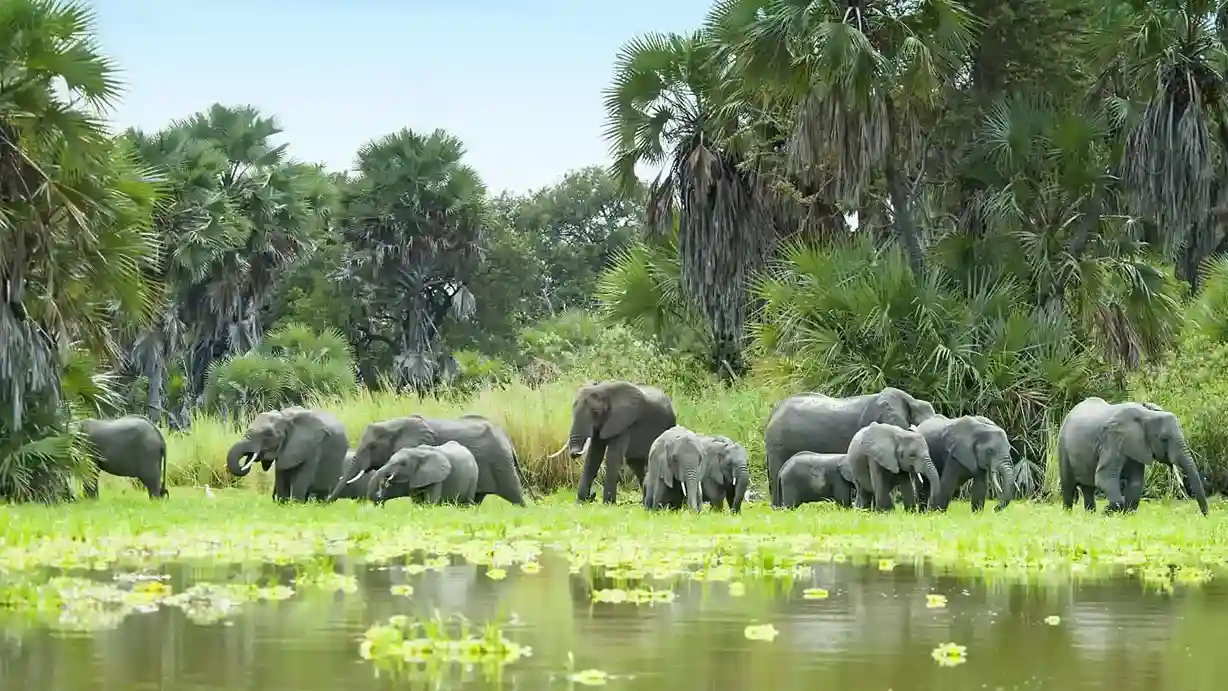
African elephants (Loxodonta africana) are the largest land animal on Earth. Tanzania is home to approximately 60,000 — one of Africa's largest populations — distributed across the country's national parks and protected areas. In the northern circuit, all three major safari parks (Tarangire, Serengeti, and Ngorongoro) have resident elephant populations, with Tarangire providing the most concentrated and reliable viewing.
Tarangire National Park — Best for Elephants
Tarangire National Park has the highest elephant density in the northern circuit during the dry season (June–October). The Tarangire River is the only permanent water source for the area during the dry months, drawing elephant herds of 100–300 animals from the surrounding ecosystem. Viewing elephant at the Tarangire River — watching multiple family groups arrive to drink, bathe, and dust — is one of the most distinctive safari experiences in Tanzania. See our Tarangire guide for full park detail.
| Month | Elephant Concentration | Notes |
|---|---|---|
| January–May | Moderate | Dispersed across wider ecosystem during green season. |
| June–October | Very High | Concentrated at Tarangire River. Peak elephant viewing. |
| November–December | Moderate | Transitional. Some dispersal beginning. |
Serengeti — Elephants
The Serengeti's elephant population is smaller than Tarangire's but herds of 20–60 individuals are common, particularly in the western corridor and around permanent water sources. Elephants in the Serengeti are generally calmer around vehicles than those in less-visited areas — decades of tourism have produced habituated populations.
Ngorongoro Crater — Elephants
The Ngorongoro Crater has a resident elephant population of approximately 50–70 individuals — a small population in the context of the northern circuit, but one that is reliably encountered on any full crater descent. The most impressive individuals are large bull elephants, often seen at the Lerai Forest or near the hippo pool.
Elephant Behaviour on Safari
| Behaviour | What to Look For |
|---|---|
| Drinking | Herds at water sources. Multiple family groups arriving simultaneously produces the best viewing. |
| Dust bathing | Elephants cover themselves in dust after drinking — sun protection and parasite control. |
| Play behaviour | Young calves play-fighting, chasing birds, and tumbling in mud. |
| Communication | Ear movements (social signals), rumbles (infrasound communication), and trunk gestures. |
| Feeding | Trunk skill — an elephant's trunk contains 40,000 muscles and performs extremely precise tasks. |
FAQ
Our northern circuit safaris cover Tarangire, Serengeti, and Ngorongoro — all three major elephant parks in the region. Free quote from our Moshi team.