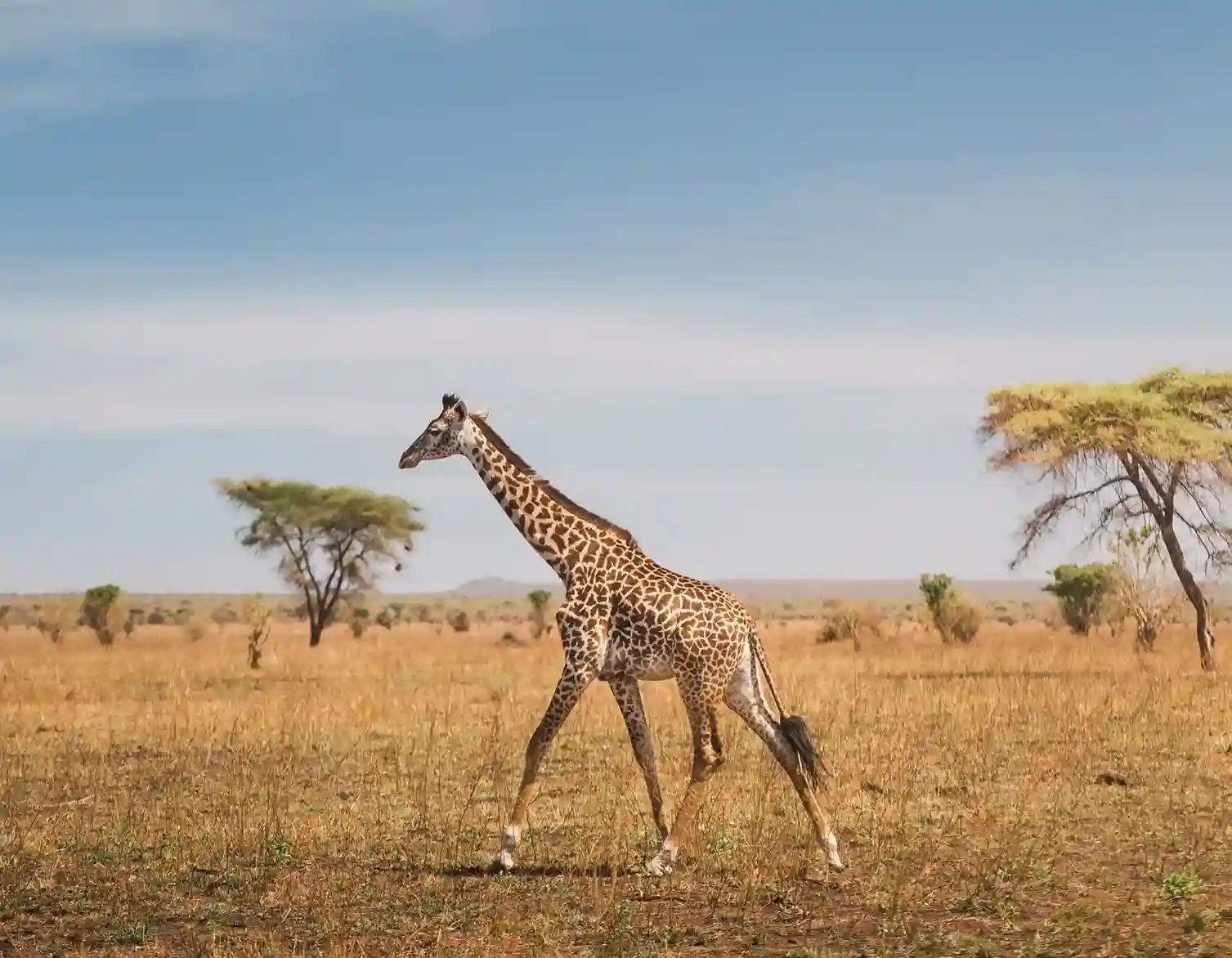
Planning a Serengeti safari involves more decisions than most people expect — and the choices you make (which season, how many days, what type of accommodation, which zones to focus on) directly determine the quality of what you experience. This guide walks through each decision point with the specifics our guides use when building itineraries for our clients.
How Long Should Your Serengeti Safari Be?
The minimum viable Serengeti safari is 2 full days (3 nights). At that length, you get enough time for wildlife to feel generous rather than rushed. But the safari improves meaningfully with more days — here's why:
- 2 days — covers the central plains and gives a real Big Five experience, but no time to explore different zones or follow up on specific sightings
- 3–4 days — the sweet spot for most visitors. Your guide can cover multiple zones and revisit good sightings across consecutive mornings
- 5+ days — allows thorough exploration of at least three zones (central, northern, western) and genuine immersion in predator behavior and the ecosystem's rhythms
Days in the Serengeti are rarely wasted. Even experienced safari travelers find that each day produces something new.
Which Season to Go
The Serengeti works year-round, but each season offers a different experience:
July to October — Dry Season (Peak)
The most popular time and for good reason. Vegetation is short, water is scarce, and animals concentrate around rivers and waterholes. The Great Migration river crossings peak in July–September — wildebeest crossing the Mara River into Kenya and back in the northern Serengeti is the most dramatic single wildlife spectacle in Africa. Lion and cheetah are highly active. The downside: peak season means more vehicles at popular sightings, and accommodation prices are at their highest.
January to February — Short Dry Season
The southern Serengeti hosts the wildebeest calving season — approximately 400,000 calves born in a 3–4 week window. Predator density in the south spikes. It's one of the most dramatic periods in the Serengeti calendar and consistently underrated by travelers who focus only on the river crossings. Fewer tourists than June–October, more moderate prices.
March to May — Long Rains
This is the low season. Heavy afternoon rains, some roads impassable, and the wildebeest herds are moving through the western corridor, which is harder to access. Not recommended for a first Serengeti visit. For experienced safari travelers who specifically want solitude and green landscape photography, it offers genuine advantages at significantly lower cost.
November to December — Short Rains
Brief showers, usually in the afternoon. The landscape turns green quickly and baby animals are common as many species give birth after the rains begin. Good game viewing with fewer tourists and lower prices than peak season.
Which Zone to Focus On
The Serengeti covers 14,763 km² and different zones have different characters. Your guides should know where to position you based on current conditions — but understanding the zones helps you make sense of the plan:
- Central Serengeti (Seronera) — the most accessible zone and consistently the busiest. The Seronera River attracts leopards, lions, and hippos year-round. This is where most standard safari vehicles operate. If you want to avoid crowds, you need to go elsewhere.
- Northern Serengeti (Kogatende, Lamai) — where the river crossings happen July–October. Remote, beautiful, and busy specifically in peak crossing season. Outside of July–October, it's one of the quietest zones with exceptional permanent wildlife populations.
- Southern Serengeti (Ndutu area) — calving season January–February. The rest of the year it's quieter with excellent open plains and cheetah sightings.
- Western Corridor — hippo pools and river systems. Good for March–May when other areas are less accessible. Less visited in general. Crocodile River crossing activity here is excellent in the late dry season.
Accommodation: Camping vs Lodge vs Luxury Camp
This is usually the decision that most affects your budget:
- Budget camping — shared public campsites inside the Serengeti. Basic facilities. Animals genuinely walk through camp at night. Very affordable, genuinely atmospheric. Not glamorous.
- Mid-range tented camps — private tented camps with proper beds, en-suite bathrooms, and camp meals. The majority of our clients stay here. Good quality, comfortable, and positioned well inside the park.
- Luxury camps — private camps with butler service, plunge pools, private decks, and food at a genuinely high standard. Some camps in private concession areas restrict the number of vehicles and offer walking safaris and night drives not available elsewhere.
Private vs Group Joining
A private safari means the vehicle is exclusively yours — you go where you want, stay as long as you want at any sighting, and don't accommodate other travelers' preferences. Group joining (up to 5 other travelers in a shared vehicle) costs significantly less per person and suits solo travelers, pairs, or budget-conscious groups. Our guides on both options are the same — the difference is in vehicle exclusivity and scheduling flexibility.
What to Actually Expect
A few honest notes that we find help travelers arrive with the right mindset:
- Wildlife sightings are never guaranteed. We've had days in peak season where the lions were all sleeping under the same bush at 3pm. We've had off-season days with extraordinary back-to-back sightings. Your guide positions you as well as possible; the wildlife decides.
- The Serengeti is big. "The Serengeti" is often talked about as a single place, but 14,763 km² is larger than Connecticut. Where you are positioned within it matters significantly.
- Radio communication between guides is important. Our guide-drivers maintain contact with other vehicles in their area to track active sightings. This network knowledge is part of what you're paying for.
- Morning and late afternoon are the most productive times. Midday is typically slow — most predators are resting. A good guide will use midday for a scenic lunch spot and have you repositioned for the 4–7pm golden hours.
Plan Your Serengeti Safari
Our Moshi team builds Serengeti itineraries from 2 to 10 days across all accommodation tiers. We respond to all inquiries within 2 hours.