Zanzibar is a 40-minute flight from Arusha or a 90-minute hop from Kilimanjaro International Airport — which makes it a natural extension for travelers who've spent time on safari or on the mountain. But the island rewards more than a quick stopover. Give it three days at minimum, and it starts revealing a character that goes well beyond tropical beach.
This guide covers the island's main beach areas, what Stone Town is actually about, the best activities across different interests, seasonal conditions, and the practical logistics of getting there and around.
Zanzibar's Beaches: Finding the Right Fit
The island has four distinct coastlines, and they're not interchangeable. Choosing where to base yourself depends on what you want to do.
North Coast — Nungwi and Kendwa
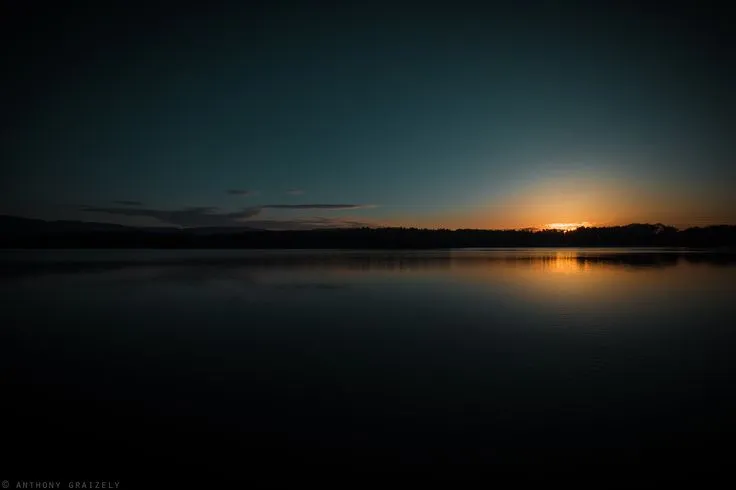
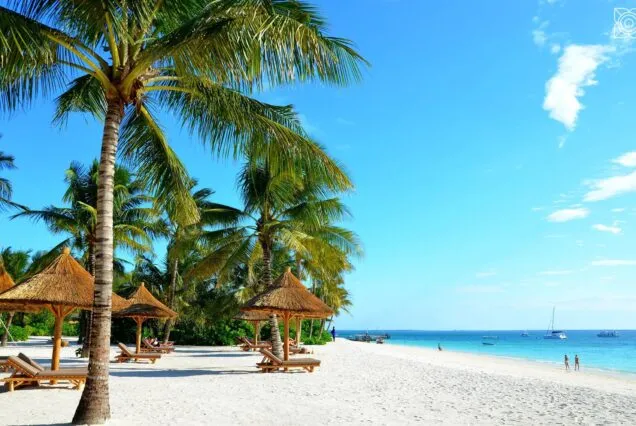
Nungwi is Zanzibar's most developed beach area, with a dense strip of hotels, dive shops, restaurants, and bars. The water here stays calm year-round because the northern tip is sheltered from the southeast trade winds — which means you can swim regardless of season. Nungwi also faces northwest, giving you proper sunset views over the Indian Ocean. The Nungwi Natural Aquarium, a tidal pool holding sea turtles, is a 10-minute walk from the main beach and reliably popular with anyone who visits.
Kendwa, a short walk south, is quieter. Same calm water, less infrastructure. Our guests who specifically want to avoid a beach-bar atmosphere tend to prefer it.
East Coast — Paje, Jambiani, and Bwejuu
The east coast is where you go for kite surfing, genuine local atmosphere, and the most photographed Zanzibar beaches. The catch is tidal — the reef sits close offshore, creating a wide lagoon that's knee-deep at low tide and swimmable at high. You adjust to that rhythm quickly.
Paje is the kite surfing center, with IKO-certified schools operating year-round. The southeast trade winds blow consistently June through March, making it one of the most reliable kite spots in East Africa. If kite surfing is your reason for coming, Paje is where you should base yourself.
Jambiani, south of Paje, is quieter and more authentically local. Seaweed farming — a traditional livelihood still practiced by women in the village — is visible in the lagoon, and accommodation ranges from basic guesthouses to comfortable mid-range hotels without the tourist-strip feeling of Nungwi.
Bwejuu is the quietest of the three — very few hotels, very few other tourists, and the kind of empty beach you need to travel farther to find most places.
West Coast and Stone Town
The west coast is where Stone Town sits. The beaches here are secondary; what brings travelers to this side is the city. A few small beaches near Stone Town work well for a quick swim, but if beach time is your priority, base yourself on the north or east coast and do Stone Town as a day trip.
South Coast — Kizimkazi
Kizimkazi is known for one thing: resident wild dolphin populations. Bottlenose and humpback dolphin pods live in these waters year-round, and dawn boat trips leave for swimming encounters most mornings. The beach itself is clean and low-key, with limited tourist infrastructure. Good for a day excursion combined with a drive through the island's central forest.
Stone Town: What You're Actually Looking At
Stone Town is a UNESCO World Heritage Site and one of the best-preserved Swahili trading towns in East Africa. The city grew from the mid-19th century as the center of the Indian Ocean slave trade, spice trade, and Arab-Omani commercial activity. What you're walking through is the physical layering of Arab, Persian, Indian, and later British colonial influence across roughly 150 years of trading history.
The wooden carved doors are the most visible cultural marker — each one a status statement in carved detail. Some are original and centuries old. The Old Fort, built by Omani Arabs in the early 1700s, now hosts open-air concerts. The Anglican Cathedral of Christ Church was built directly on the site of the slave market as a deliberate symbol of its abolition in 1873; the altar stands where the whipping post once stood.
The Forodhani Night Market on the waterfront opens at sunset and runs until late. Dozens of stalls serve fresh seafood cooked to order — lobster, octopus, kingfish — alongside Zanzibar pizza (a fried flatbread stuffed with egg, vegetables, and your choice of filling) and fresh sugarcane juice. For most travelers, this becomes the evening default.
A guided walking tour of Stone Town takes 3–4 hours and covers the main sites properly. Going independently is possible but misses most of the historical context — many buildings are unmarked, and the slave trade story in particular needs explanation to be understood.
Activities Worth Planning Around
Spice Farm Tour
Zanzibar was once the world's largest clove producer, and spice farming remains part of the island's agricultural fabric. A half-day tour at one of the farms in the central highlands — about 45 minutes from Stone Town — walks you through cloves, cinnamon, vanilla, black pepper, cardamom, lemongrass, and a dozen tropical fruits growing in the same space. You handle and taste everything. Most tours include a traditional Swahili lunch cooked with the spices from the farm. It pairs well with a Stone Town morning — spice farm in the afternoon on the same day.
Mnemba Atoll Snorkeling and Diving
Mnemba Atoll is a protected marine area 4 km off the northeast coast, accessed by boat from Matemwe or Kendwa. The reef is in better condition than most Zanzibar dive sites, with visibility up to 30m in the dry season. Hawksbill turtles are resident and reliably sighted on most trips. Certified divers have access to wall dives, moray eels, reef sharks, and occasional whale shark sightings from December through March.
Jozani Forest
Jozani Chwaka Bay National Park in the island's center protects the Zanzibar red colobus — a subspecies of colobus monkey found nowhere else in the world. The monkeys are semi-habituated, meaning you can approach within a few metres on a guided forest walk. For families with children, this is consistently the activity that generates the most enthusiasm. The park also has a mangrove boardwalk and good general birdwatching.
When to Visit
Zanzibar's climate divides clearly into two dry seasons and two rainy seasons:
- June to October — main dry season. Best overall for beach holidays, diving, and kite surfing. Lower humidity, good visibility, consistent trade winds on the east coast. Water temperature 25–27°C. This is peak season, and popular hotels fill quickly.
- December to February — second dry season. Hot and sunny. Good snorkeling and swimming. Water temperature 28–30°C. Busy during the Christmas-New Year period; relatively quieter in January.
- March to May — long rains. Sustained rainfall, rough seas, some activities cancelled. Not recommended unless you're specifically after solitude and lower prices.
- November — short rains. Generally brief afternoon showers. Most activities still run. Prices and crowds between peak and low.
Getting to Zanzibar
Two practical options:
- Domestic flight — 90 minutes from Kilimanjaro International Airport via Arusha, or 20 minutes from Dar es Salaam. Coastal Aviation, Auric Air, and others run multiple daily departures. For travelers coming from the northern circuit (Serengeti, Ngorongoro, Tarangire), flying via Arusha is the most efficient connection.
- High-speed ferry — from Dar es Salaam's port to Stone Town: approximately 90 minutes on modern fast ferries. Cheaper than flying, with good views of the channel. Can be rough during April–May.
We arrange all Zanzibar transfers as part of combined safari and island packages. See our Zanzibar beach packages and Safari and Zanzibar combinations for itinerary options.
FAQ: Zanzibar Travel
Do I need a visa for Zanzibar separately from mainland Tanzania?
No. Zanzibar is part of Tanzania and your Tanzania visa covers both. If you enter at Kilimanjaro or Dar es Salaam and then fly to Zanzibar, your existing visa applies. If you fly directly into Zanzibar International Airport from outside Tanzania, obtain your Tanzania visa at the Zanzibar airport arrival desk.
Is Zanzibar safe?
Zanzibar is generally safe for tourists. Standard travel precautions apply: keep valuables in a hotel safe, avoid isolated beach areas after dark, and dress modestly in Stone Town and local villages (Zanzibar is predominantly Muslim). Beach resort areas are well-patrolled and considered low-risk.
What is the best beach for families?
Nungwi is the most practical choice for families: calm water year-round (no tidal issues for young swimmers), the turtle aquarium nearby, and the widest range of accommodation. The east coast is suitable for older children who understand the tidal rhythm.
Plan Your Zanzibar Visit
We build Zanzibar packages from 3 nights to 2 weeks, standalone or combined with safari and Kilimanjaro. Our Moshi team responds within 2 hours.